
The PACU is the post-anesthesia care unit in a hospital or surgery center. A PACU nurse cares for patients who are recovering from surgery and diagnostic procedures that require anesthesia or sedation
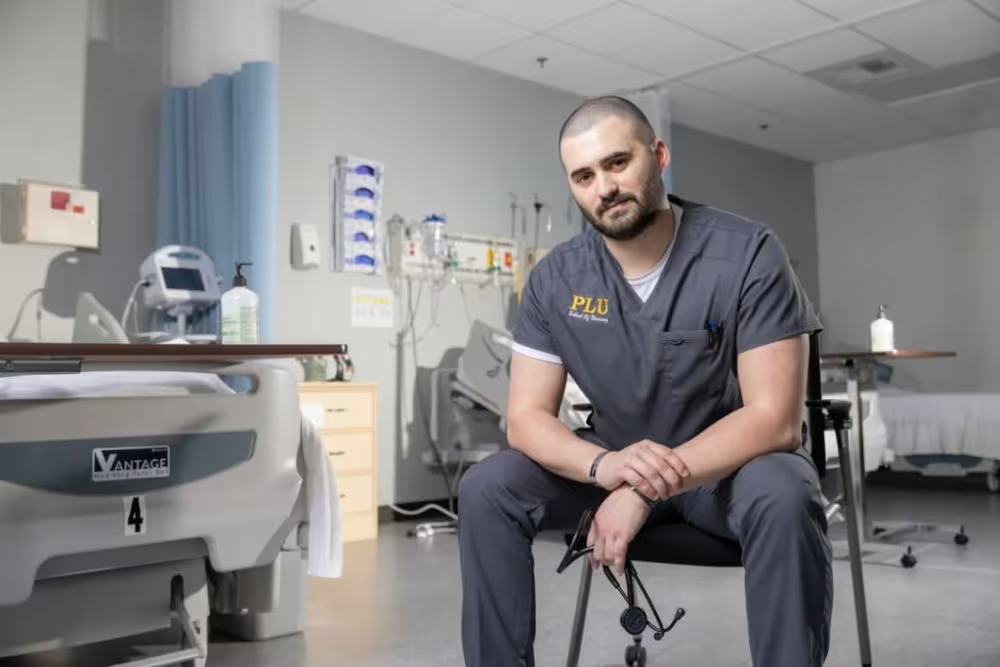
The nursing profession has many exciting opportunities, including a variety of specialty areas. Nurses can specialize according to the patient population they work with, the type of conditions they treat, or the health care setting they work in, such as the post-anesthesia care unit (PACU).
Pacific Lutheran University’s Accelerated Bachelor of Science in Nursing (ABSN) program prepares future nurses with the foundational knowledge and skills to excel in any nursing specialty they pursue after graduating and obtaining licensure. If you have completed a non-nursing bachelor’s degree or at least 60 non-nursing college credits, you may be eligible to apply to our ABSN program near Seattle.
Before deciding whether working as a nurse in a PACU could be the right move for you, you should examine some common questions about this assignment, including:
- What is PACU in nursing?
- What does a PACU nurse do?
- What kind of experience will I need before working in the PACU?
- Do I need special certification to work in the PACU?
Then, you can start pursuing your future nursing career goals at Pacific Lutheran University.
What Does PACU Stand For?
The post-anesthesia care unit, or PACU, is a unit or department in a hospital where patients are brought after undergoing procedures requiring anesthesia or sedation. Here, patients are monitored while recovering from the effects of the medication.
While many of the PACU’s patients are brought there following surgical procedures, some may have undergone diagnostic procedures that also required anesthesia. In the PACU, nurses monitor post-surgical patients, checking for any signs of complications and assist with pain management as patients begin to wake up.
The average patient might stay in the PACU for about one to three hours. Once they are recovered enough to leave the PACU, patients will generally be transferred to an inpatient room unless they have undergone an outpatient surgery and can be discharged.
What Does a PACU Nurse Do?
A nurse working in the PACU will typically care for a broad range of patients across the lifespan. Unlike many nurses who work with inpatients, a PACU RN works with each patient for a short period, usually no more than a few hours. During that time, the RN’s typical responsibilities include:
- Administering fluids
- Administering medications, including pain medication and anti-nausea drugs
- Checking vital signs to identify any potential complications
- Evaluating consciousness level
- Responding to any complications
As patients regain consciousness, disorientation can occur. A PACU RN is present to reassure distressed patients, helping them understand where they are and what is happening.

Interested in exploring similar careers? Discover how to become a nurse anesthetist.
Why Become a PACU RN?
There are some compelling reasons to work regularly in the PACU. These RNs typically care for fewer patients at a time compared to other specialties, such as medical-surgical nursing. While patients in the post-anesthesia care unit require very close monitoring, RNs may feel less hurried with the lighter patient load.
Working in the PACU can also offer more regular daytime working hours compared to some other specialties.
How to Become a PACU Nurse
There are several steps to becoming a PACU nurse, including earning a degree, passing the NCLEX-RN and gaining clinical experience.
1. Apply to Nursing School
Your first step is to apply to nursing school. Pacific Lutheran does not require applicants to have prior health care experience. Instead, you will need:
- A non-nursing bachelor’s degree or at least 60 college credits
- A minimum cumulative GPA of 3.0
- A grade of B- or better in each prerequisite course
When you contact an admissions representative at Pacific Lutheran, they will walk you through each step of the admission process.
2. Earn a Degree in Nursing
If accepted into the ABSN program, you can expect a fast-paced curriculum that covers a range of topics, including pathophysiology, health assessment, and health care technology. You will work through three main learning components:
- Online coursework that teaches nursing theory
- In-person, hands-on nursing skills and simulation labs that teach you how to provide patient care and handle complications
- Clinical rotations at top health care facilities that provide hundreds of hours of experience administering nursing care
Prior to becoming a nurse in the PACU, it is important to acquire a solid foundation across multiple clinical areas. The clinical rotations at Pacific Lutheran cover practice areas such as:
- Adult health
- Community health
- Critical care
- Mental health
- Women and children
3. Obtain an RN License
You can apply for a registered nursing license from the state board of nursing after graduating with a BSN. Once applicants receive an authorization to test, they may proceed to schedule a test date for the NCLEX-RN licensing exam. Finally, once you pass the exam, you can obtain your RN license and get to work.

Get tips on how to study for the NCLEX.
4. Gain Clinical Experience
Generally, roles in the post-anesthesia care unit are not considered entry-level for recent nursing school graduates; however, sometimes new nurse residency programs are available in specialty settings like the PACU. In most cases, graduates can expect to need a couple of years of experience in a related specialty prior to working in the PACU. Many nurses work in medical-surgical settings, operating rooms, or critical care settings before working in the PACU.
5. Earn Specialty Certifications
Professional certification is also available for many nursing specialties. After gaining clinical experience in the PACU, you can pursue a designation as a Certified Post-Anesthesia Nurse (CPAN) or a Certified Ambulatory Perianesthesia Nurse (CAPA). The American Board of Perianesthesia Nursing Certification administers both certifications.
Get Started Today at Pacific Lutheran University
The Pacific Lutheran University School of Nursing has a long-standing history of successfully preparing its students to become nurse leaders, socially responsible patient advocates, and health care innovators. Thanks to our relationships with top health care facilities throughout the Pacific Northwest, our students gain extensive and diverse clinical experience in collaborative, supportive settings. At our faith-based school, you could graduate in as few as 16 months after completing any needed prerequisites.
Contact an admissions representative today and take the first step toward an exciting career as a PACU RN.